
Korea Embassy India, New Delhi
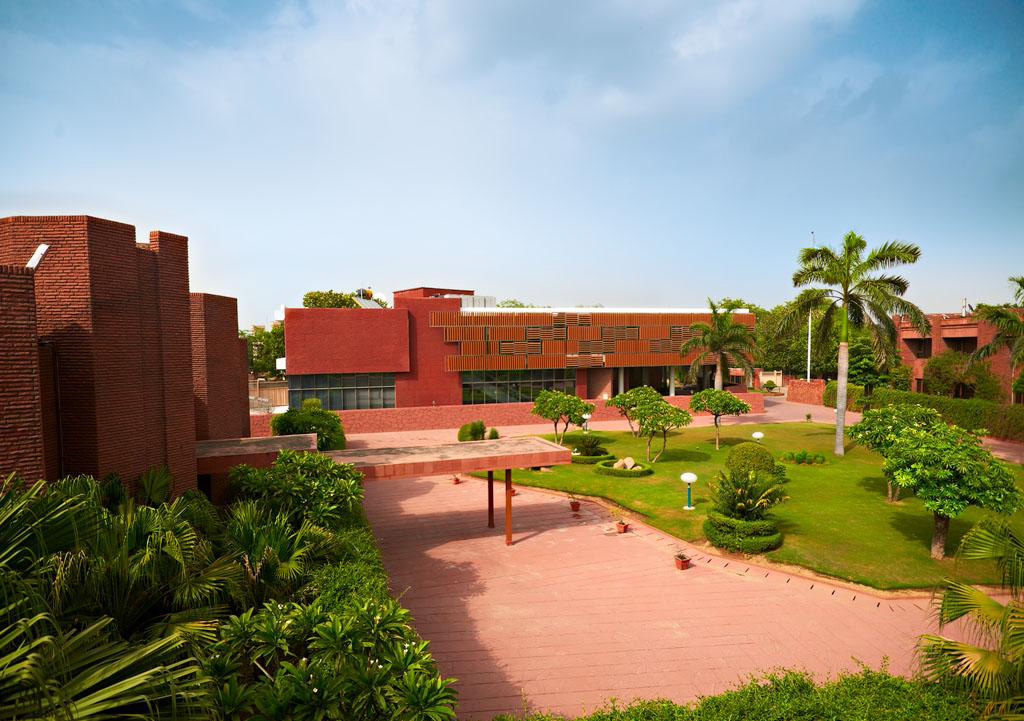
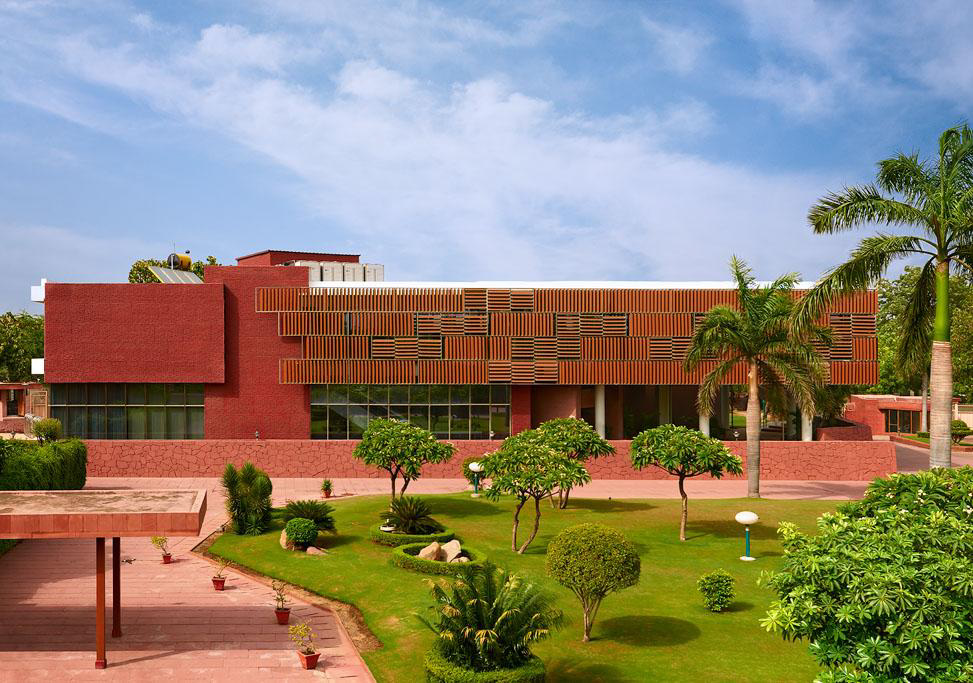
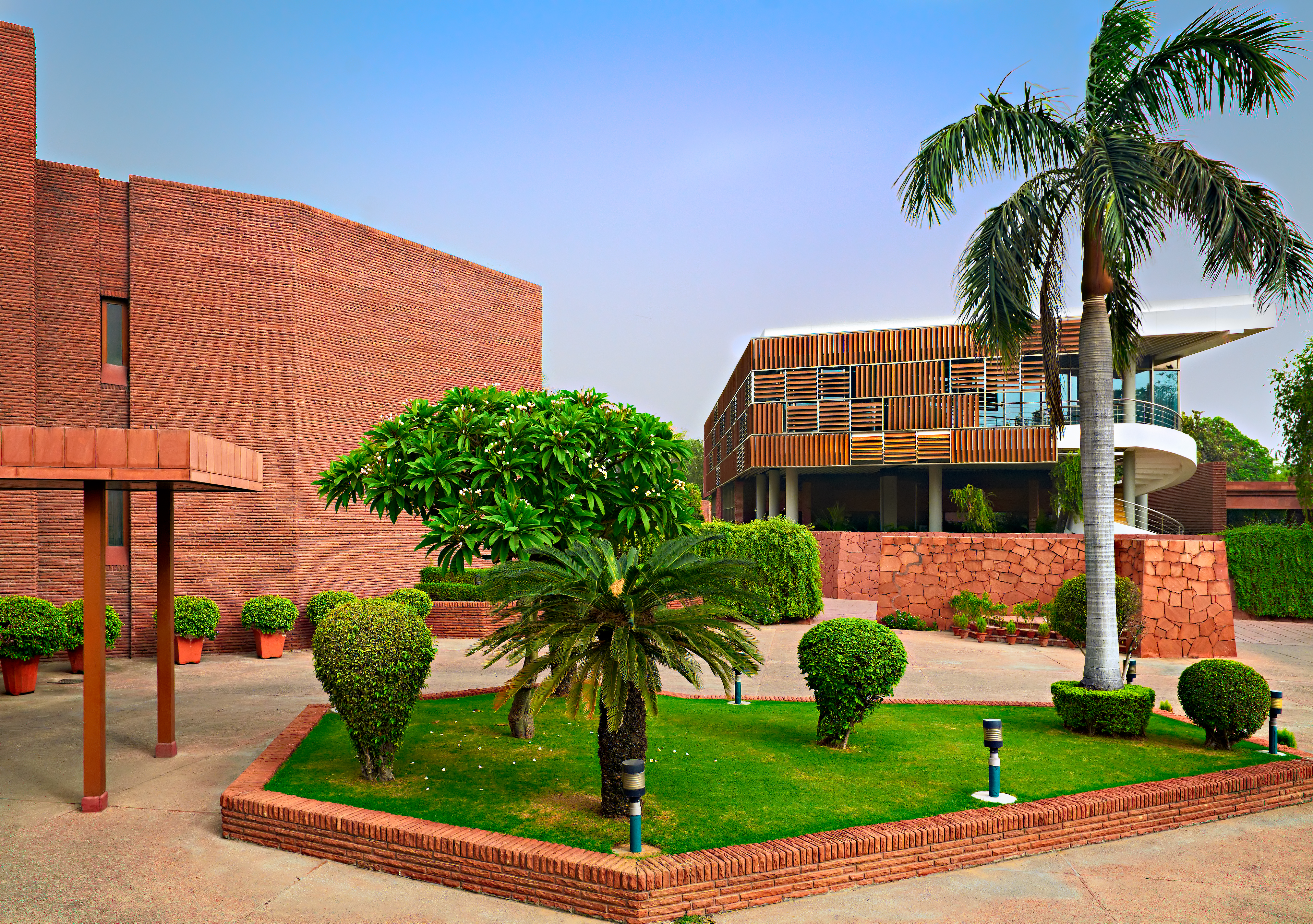
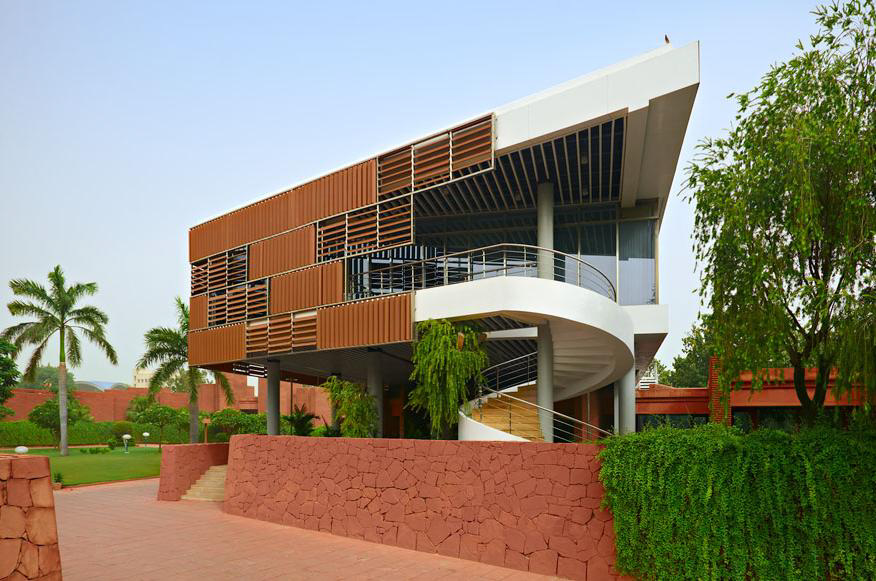
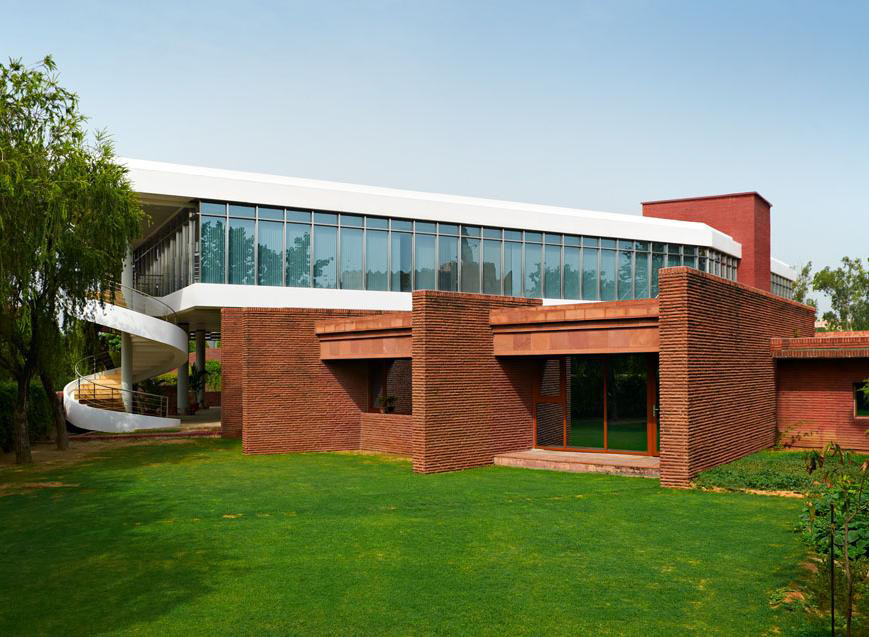
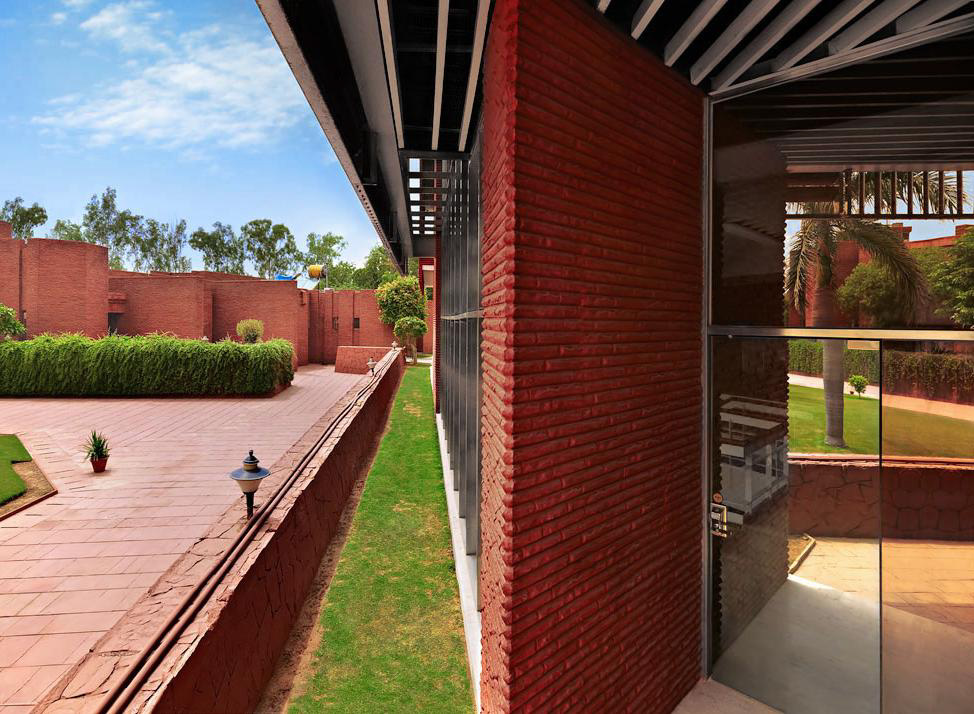
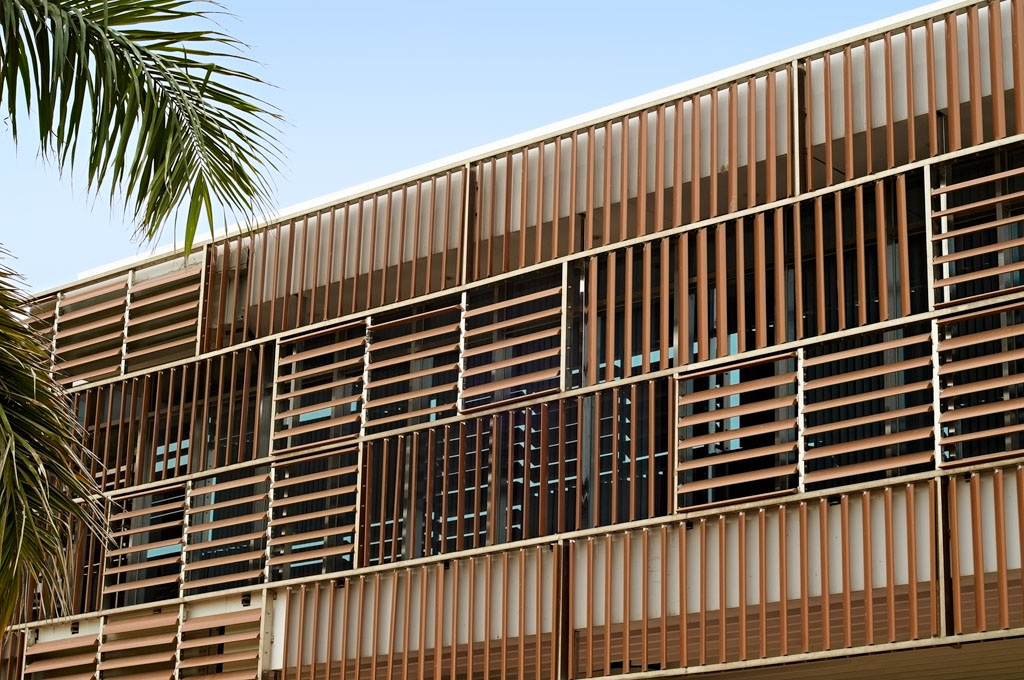
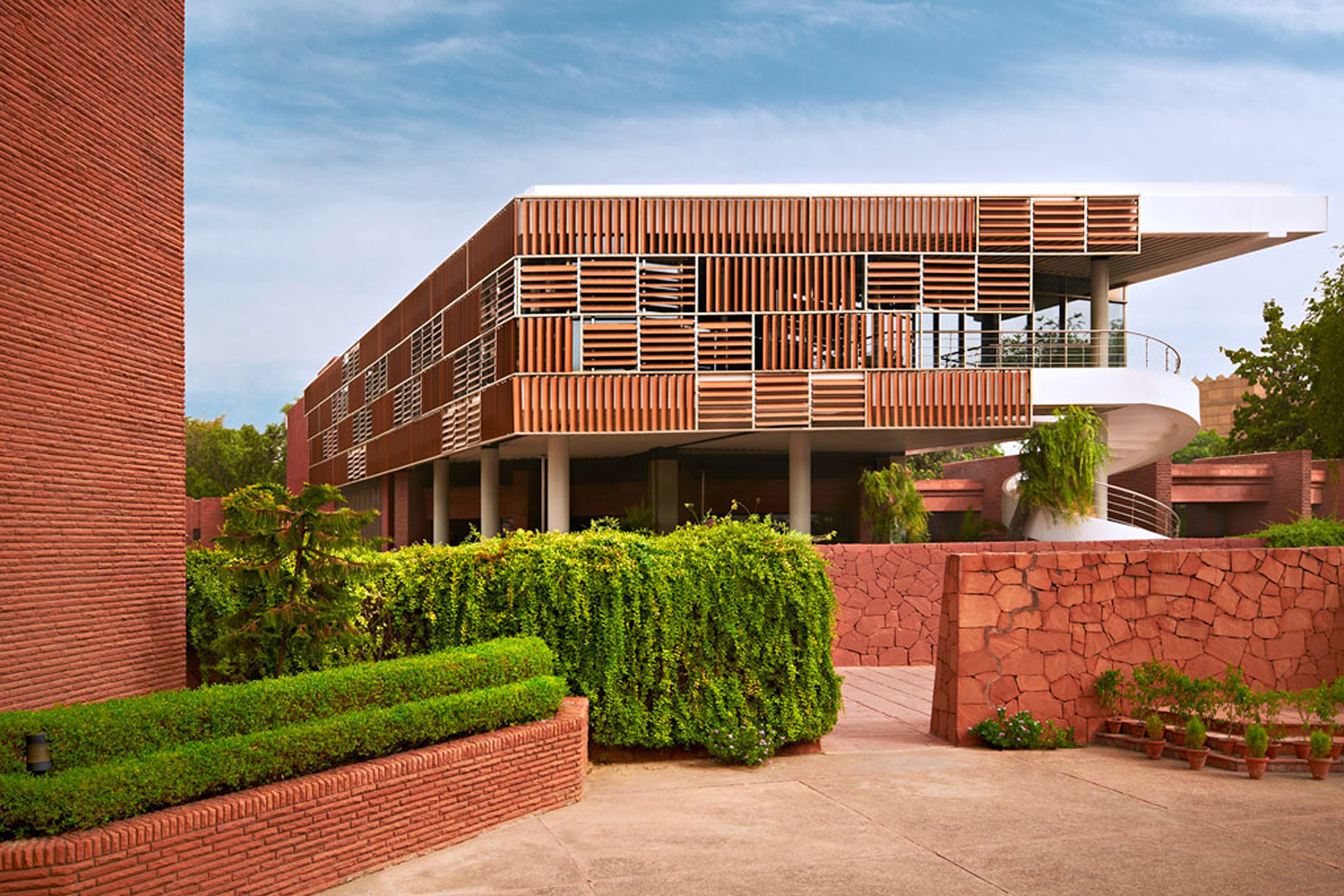
The new annex building harmonizes with the existing embassy while preserving its architectural heritage. It integrates Korean traditional windows and Jalis (sun screens) as defining elements, reflecting Asian architectural aesthetics, while responding to the regional climate and energy efficiency requirements
The original building, designed in 1974 by architect Swoo-geun Kim, is a hallmark of Korean modern architecture. Its fan-shaped walls and deep shadowed spaces are distinctive features, making it one of the most notable Korean diplomatic buildings worldwide.
AA Studio was commissioned in 2013 to design the annex, focusing on heritage preservation and a close relationship between old and new structures. Principal architect Chang-Hyun Kim, drawing on nearly two decades of experience in India and his work in Korea, developed a contemporary Asian architectural language for the project.
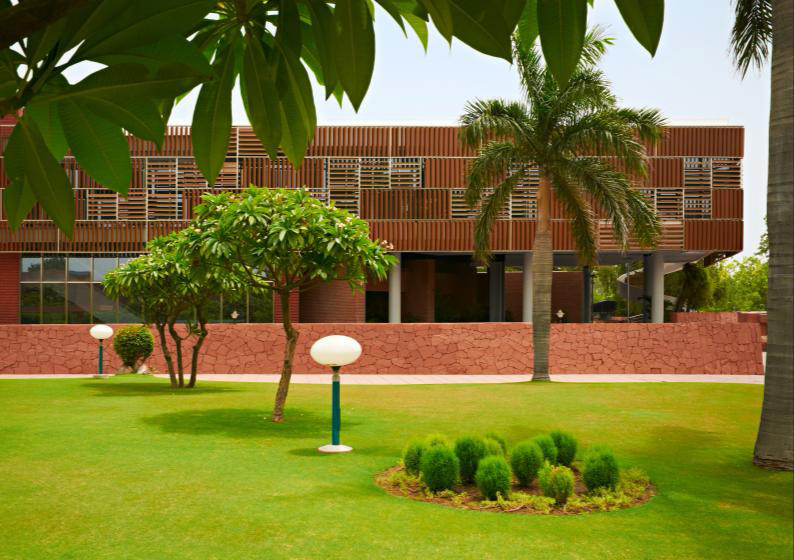
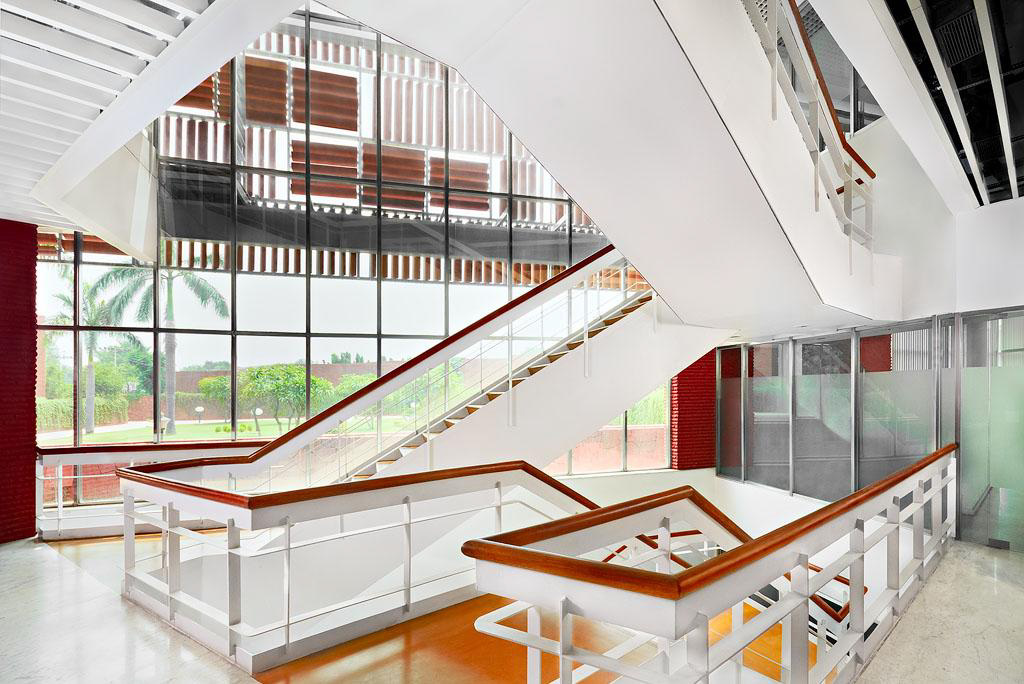
The building’s exterior employs glass to create openness, maximize garden views, and bring natural daylight into interior spaces. The west and south façades, exposed to harsh sunlight, feature a reinterpretation of Jalis and Korean traditional windows with modern metallic louvers, balancing heat reduction, views, and privacy.
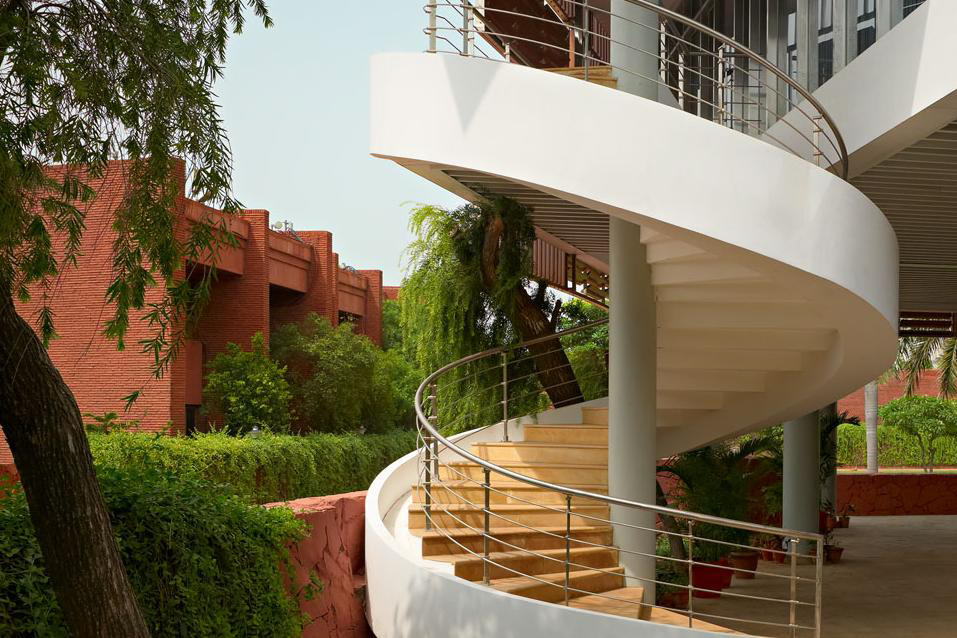
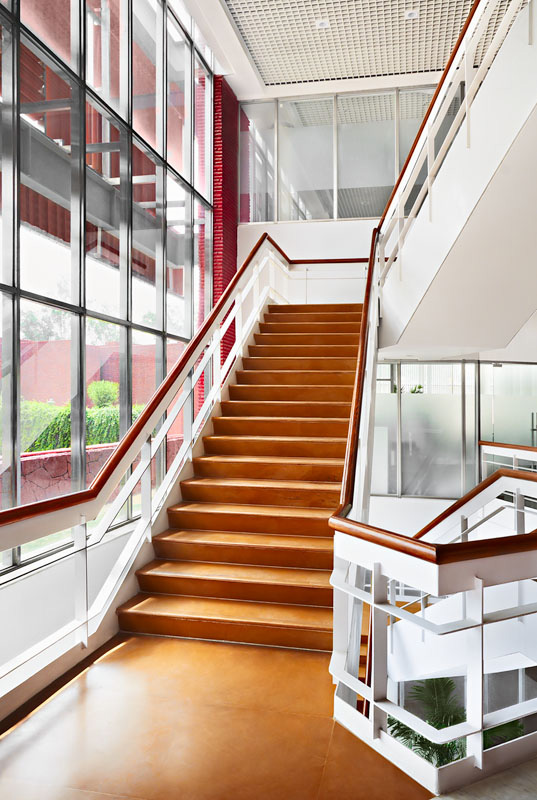
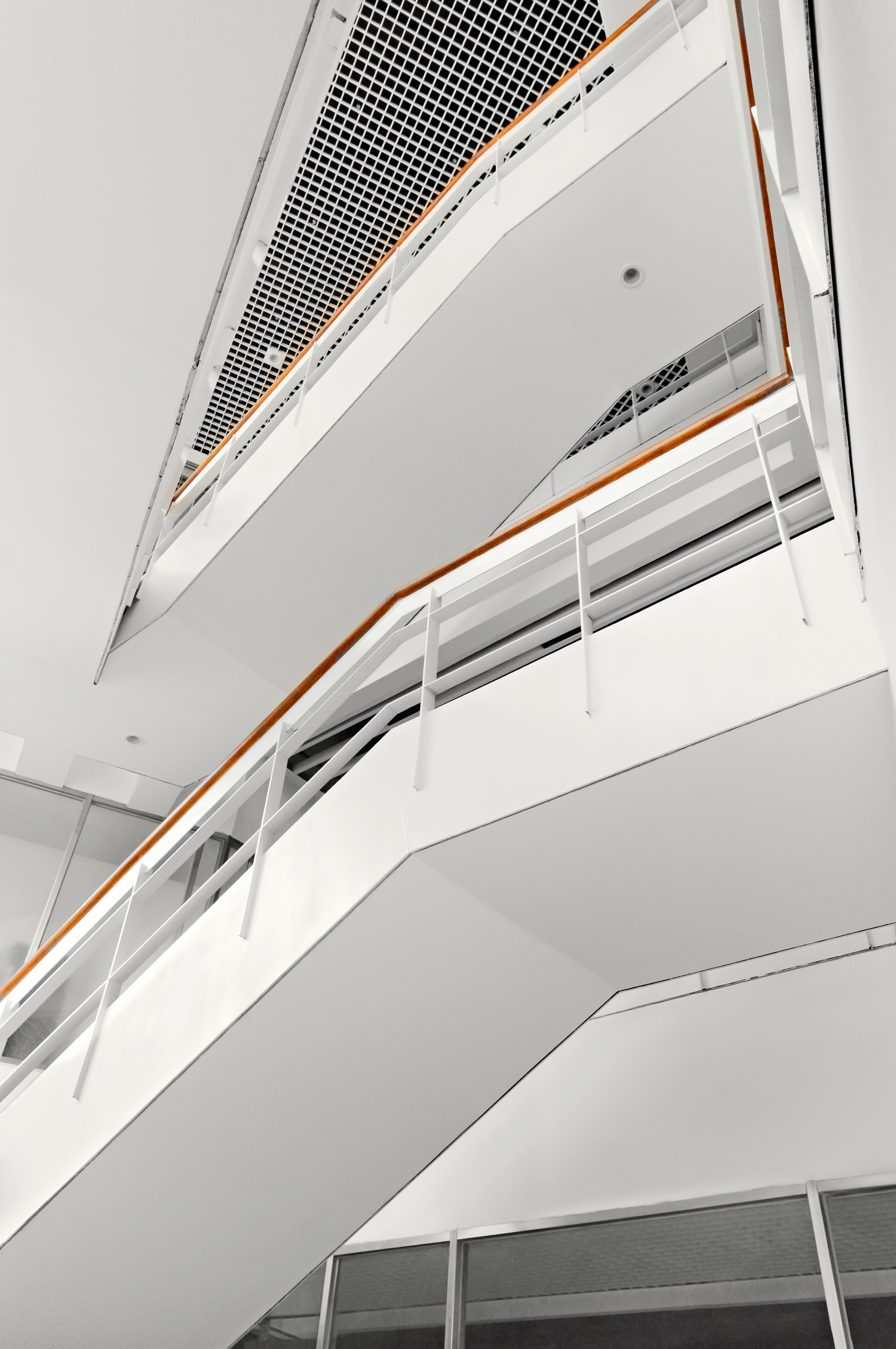
The floating louvers evoke the traditional Korean roofline, while the prominent spiral staircase at the front façade serves as both a circulation core and a light well, allowing daylight to illuminate the building throughout the day without artificial lighting. The shadows cast by the louvers create a serene, ethereal interior ambiance. Beneath the floating structure, an open communal space provides embassy staff with areas for interaction, meetings, events, or casual breaks, all while enjoying views of the surrounding garden.