
House of Korea, Dubai
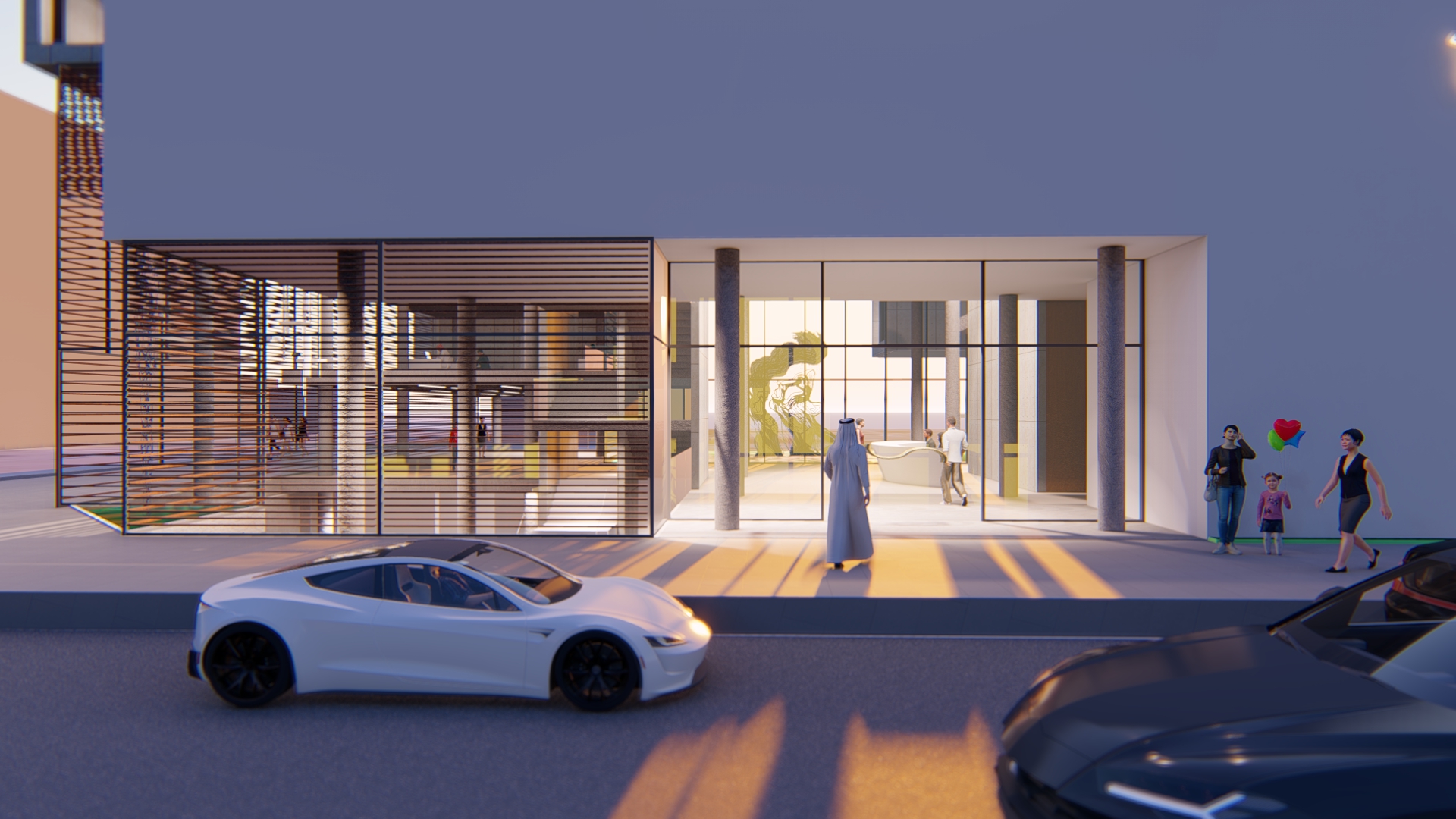
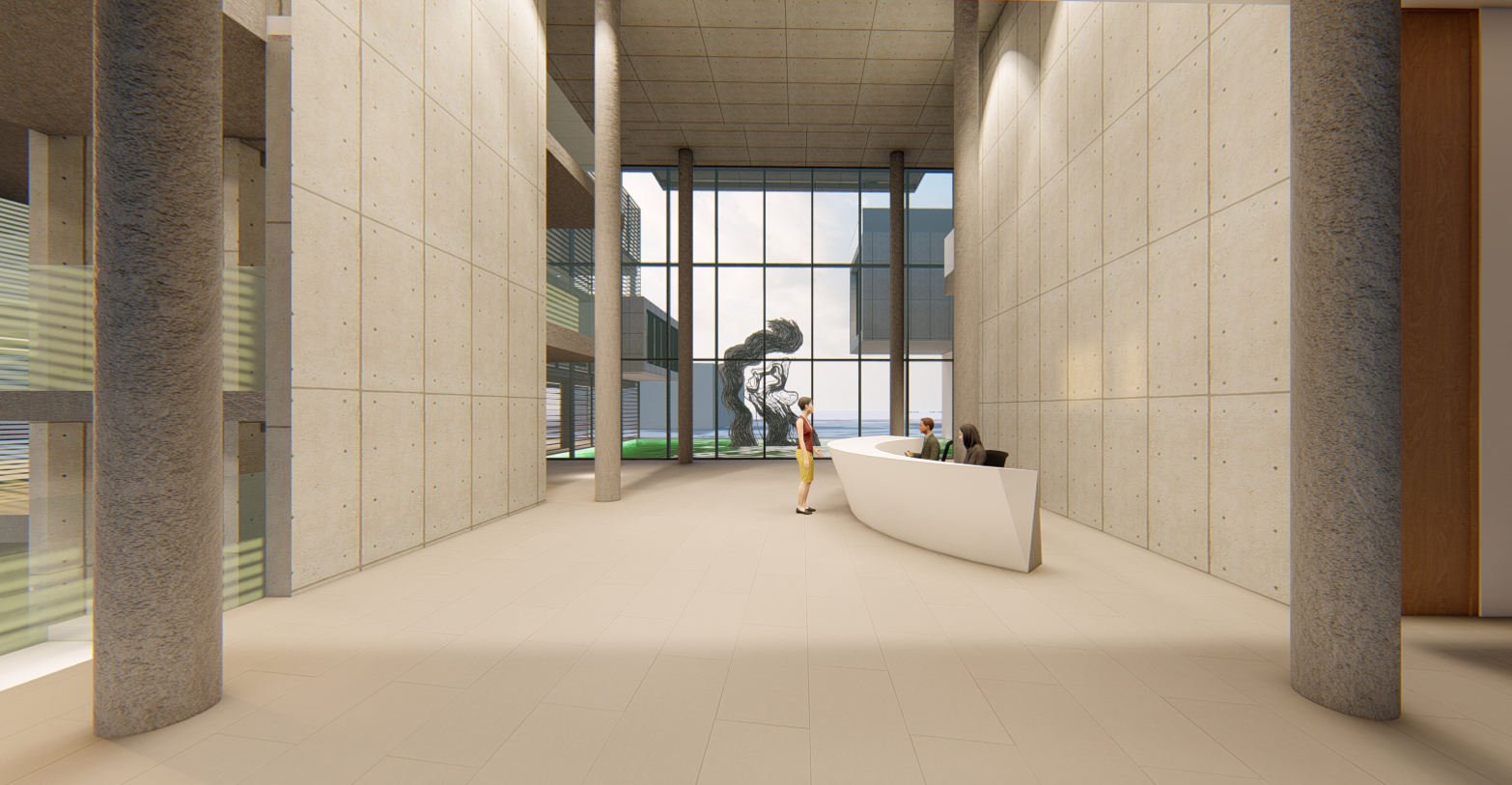
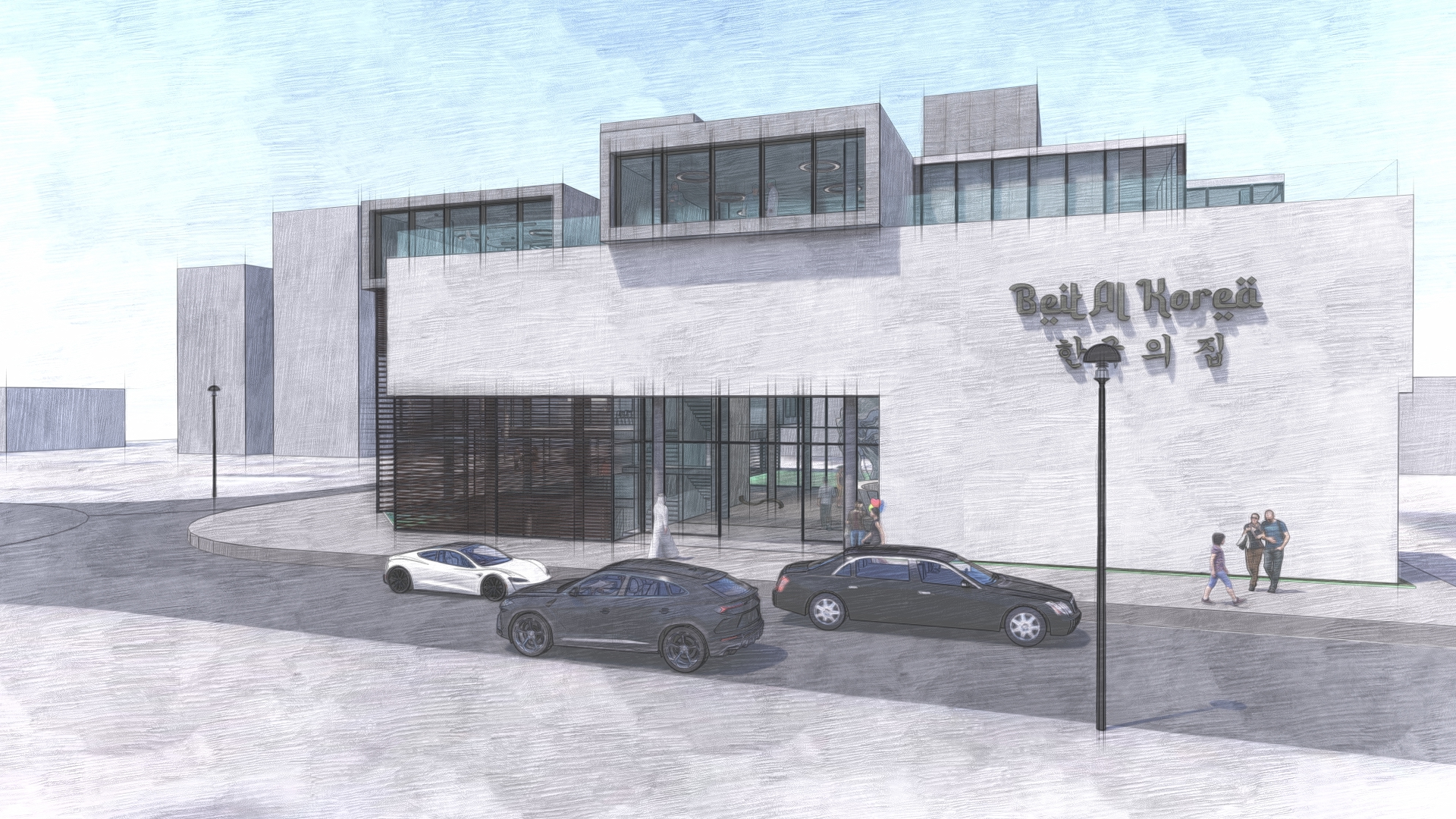
House of Dubai reinterprets the spatial principles of traditional Korean architecture within the environmental conditions of Dubai, a city characterized by intense sunlight and an arid climate. Rather than replicating the form of a traditional Korean house (Hanok), the project translates key concepts of Korean architecture—its relationship with nature, the layering of space, and the balance of contrasting elements—into a contemporary architectural language.
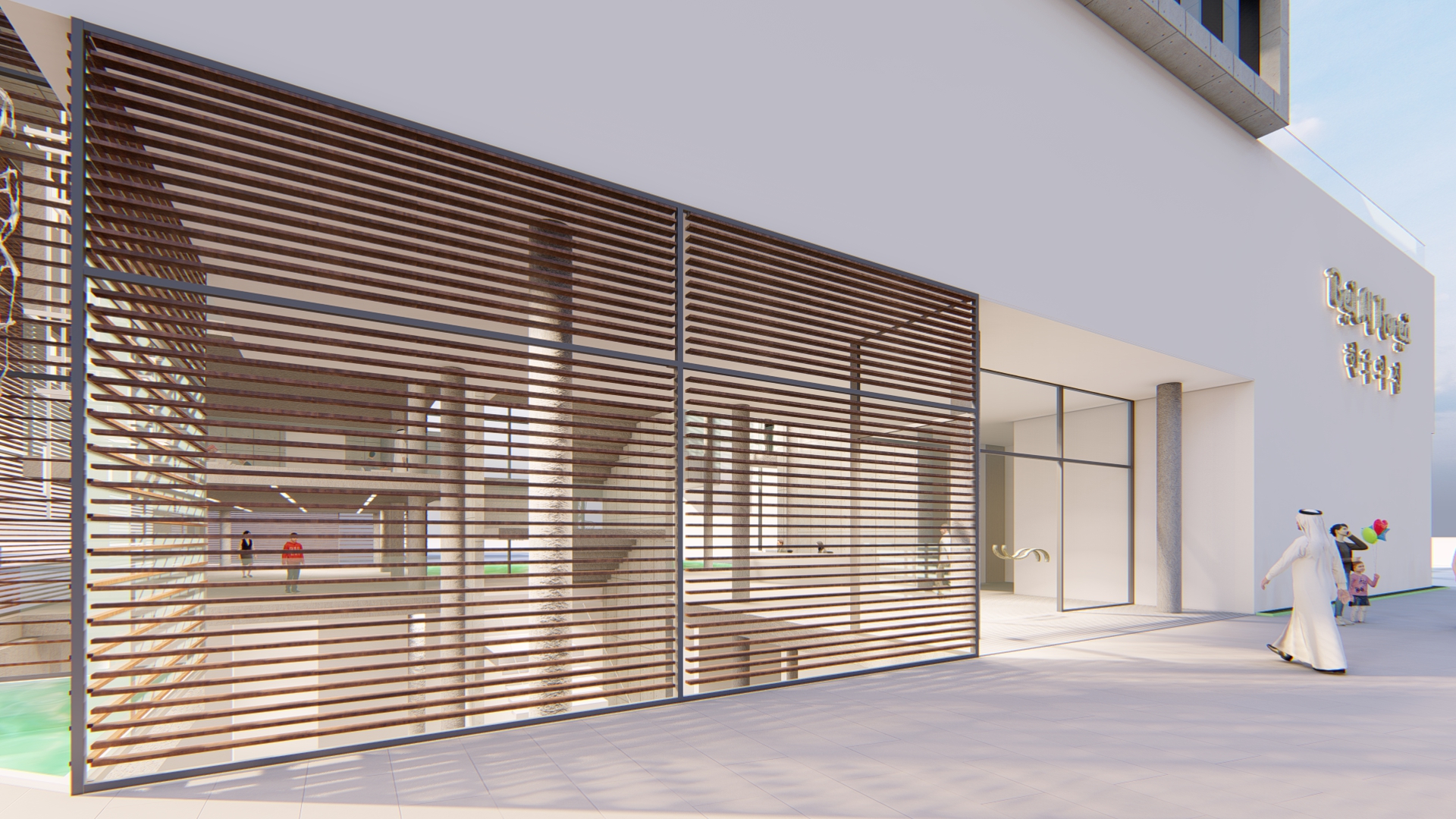
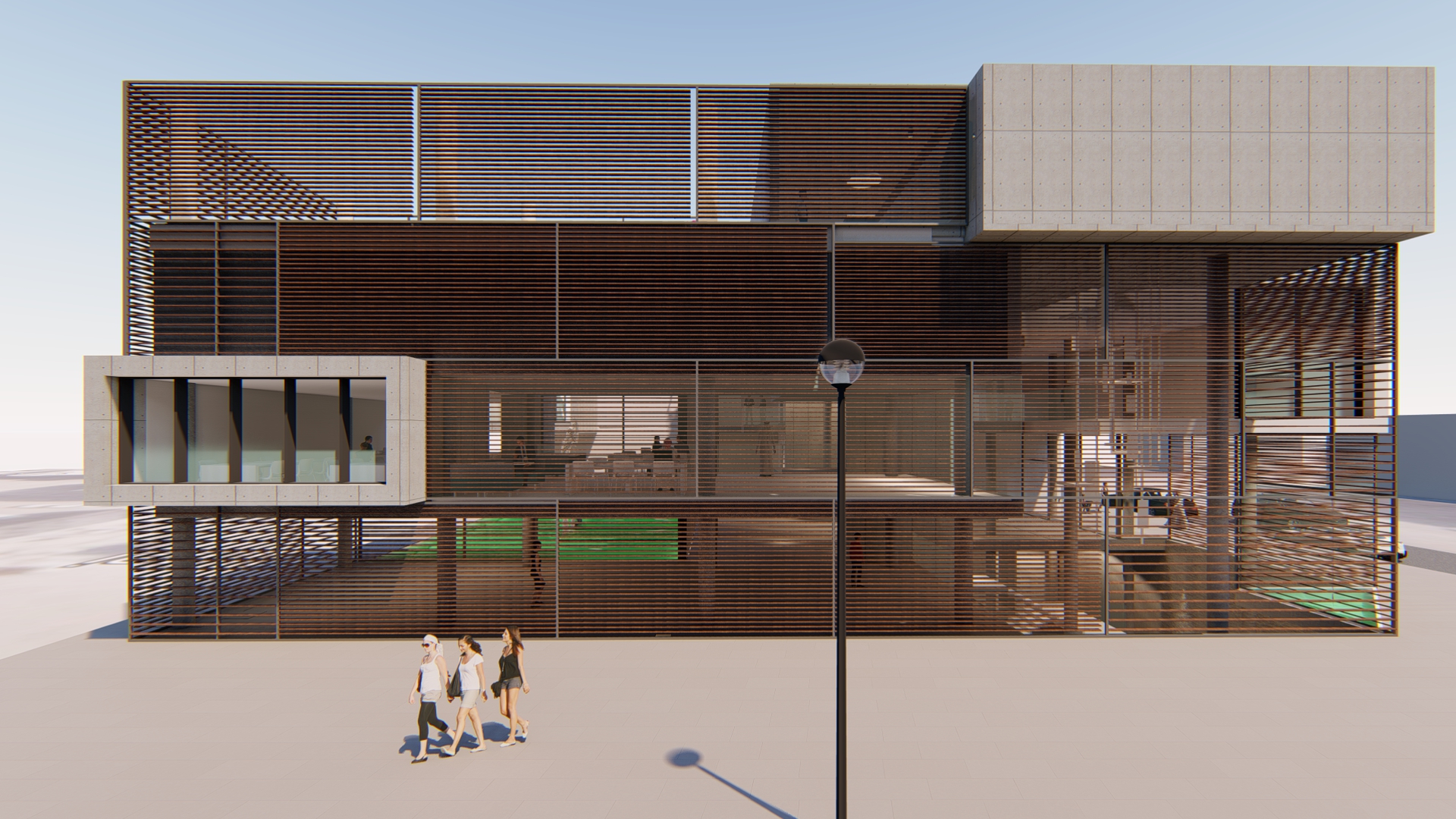
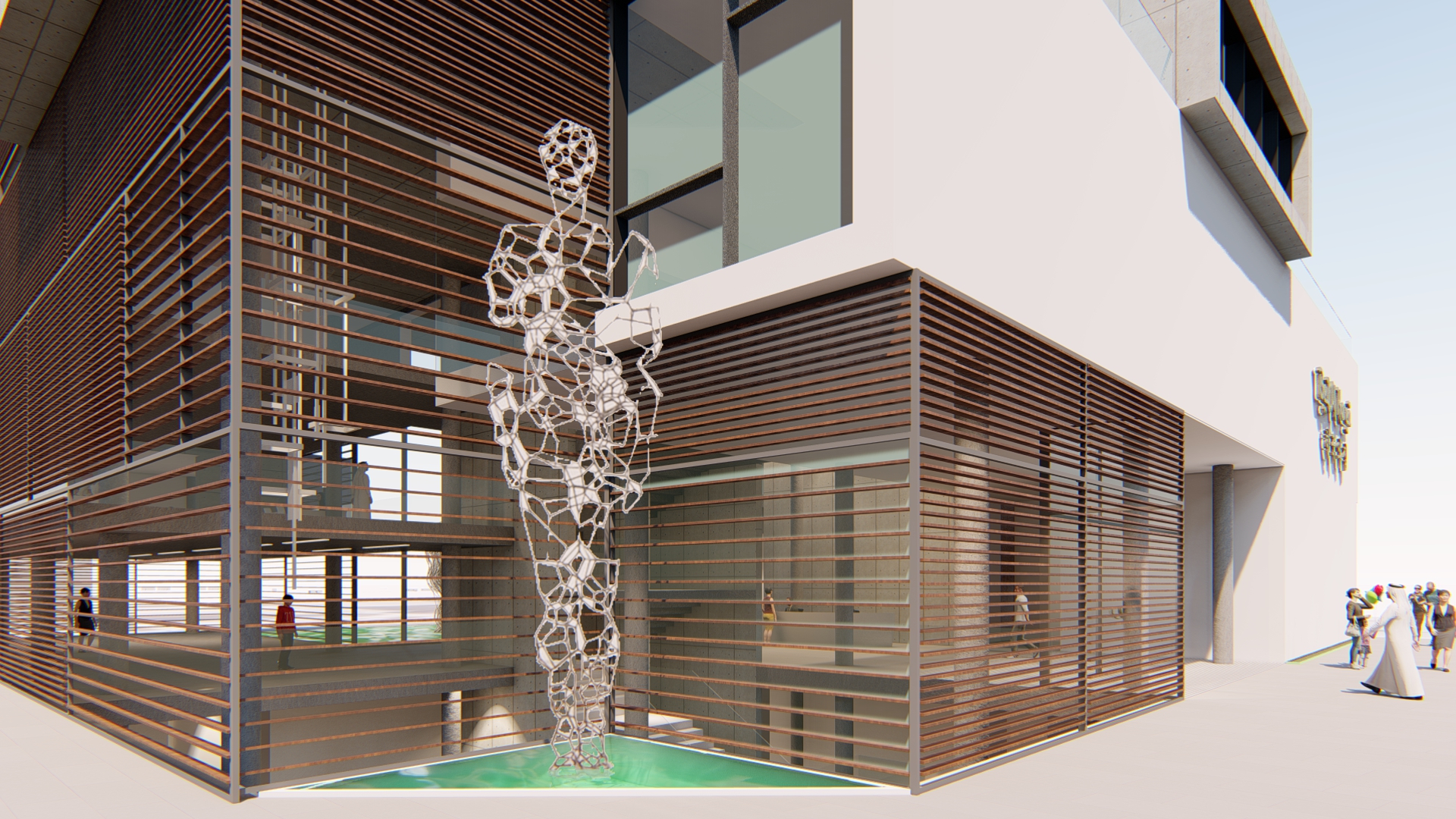
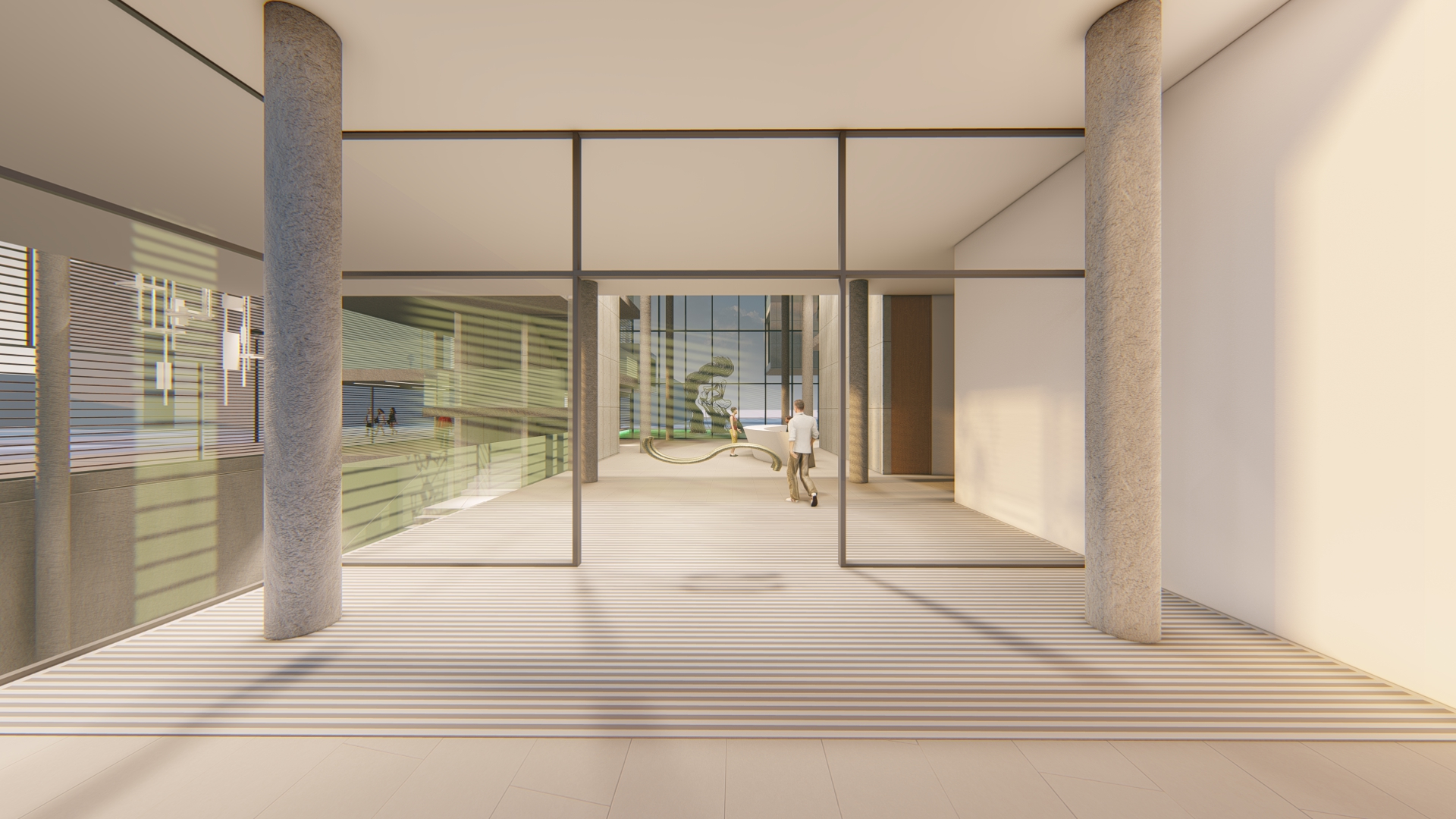
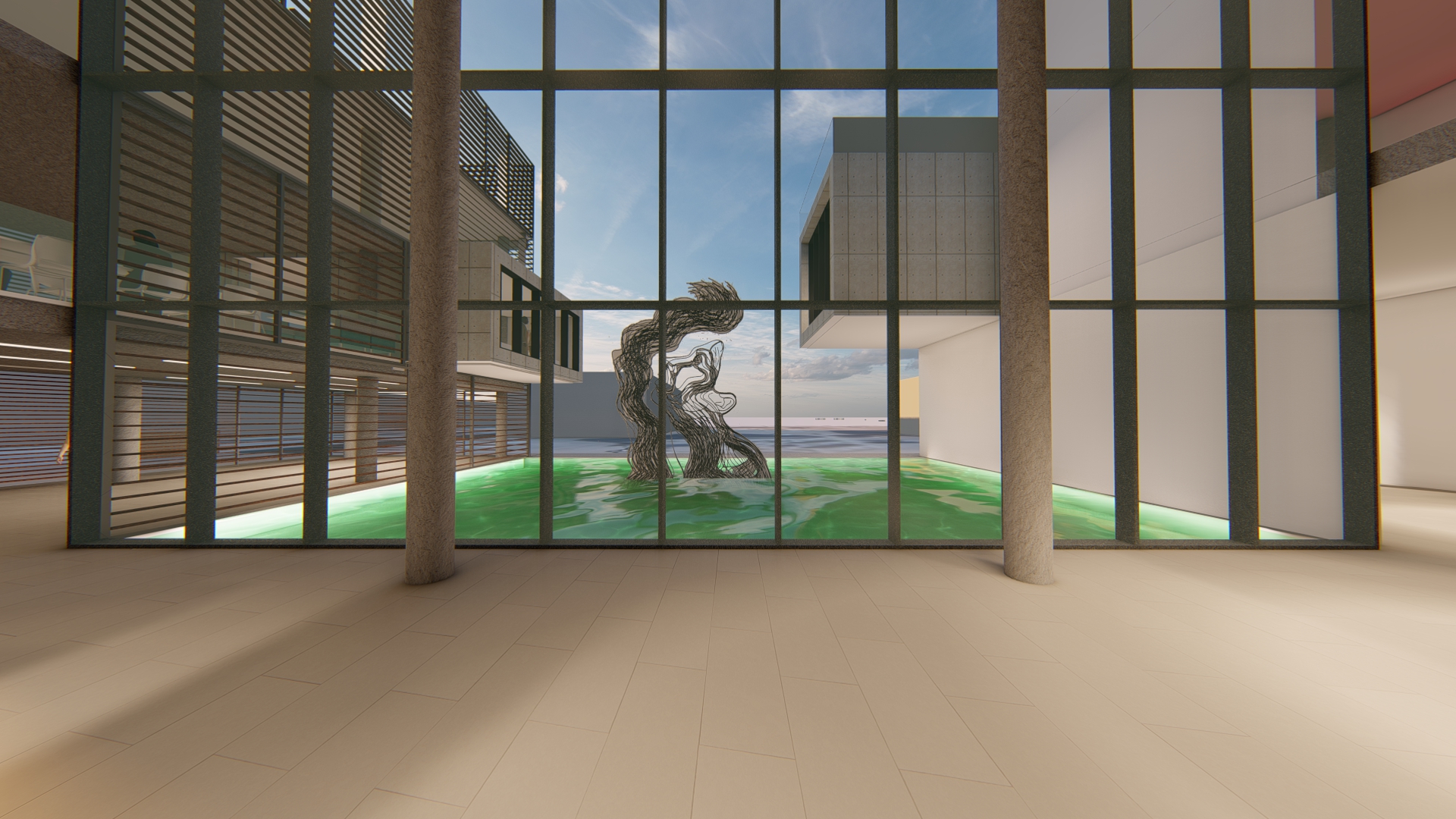
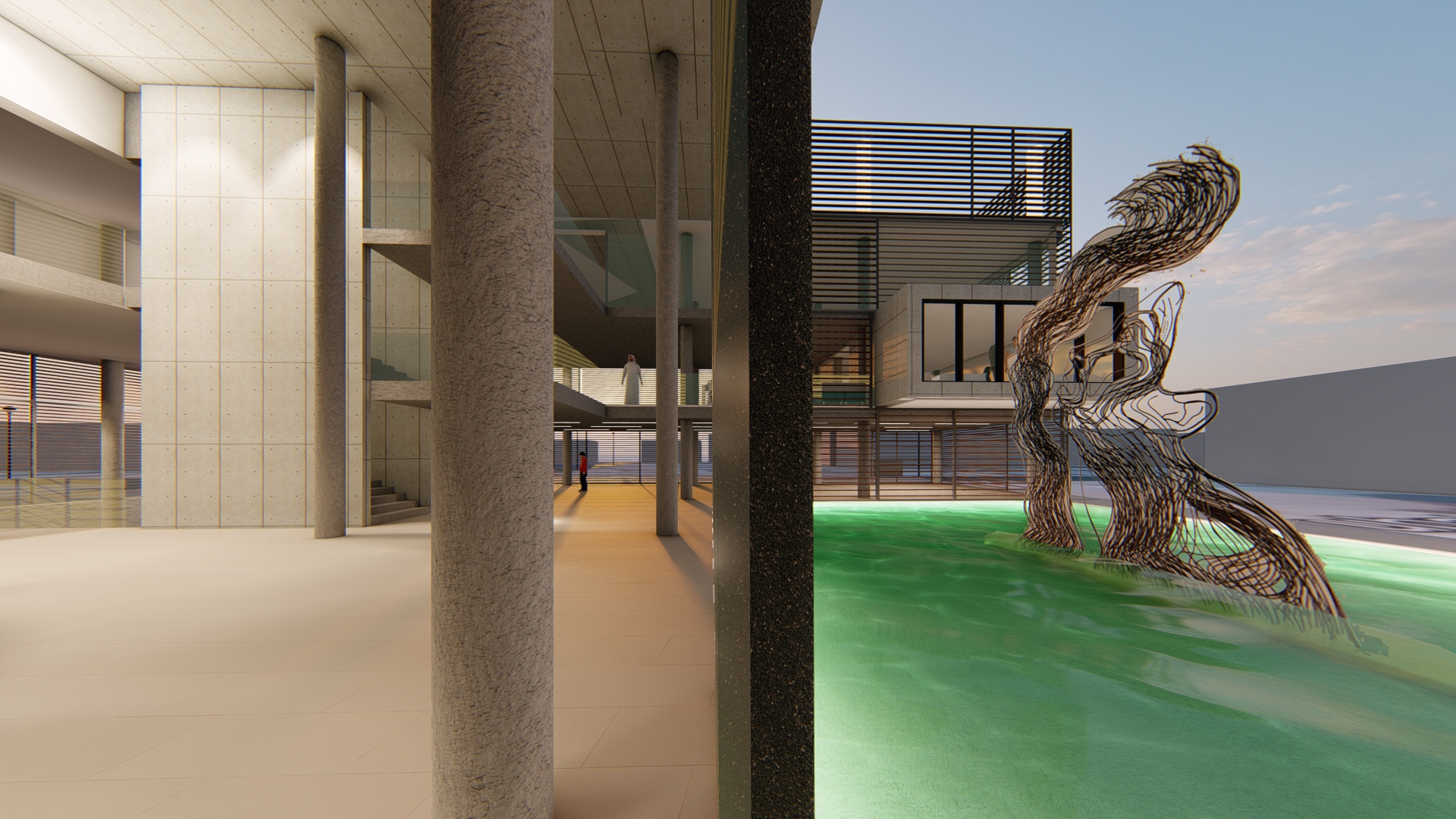
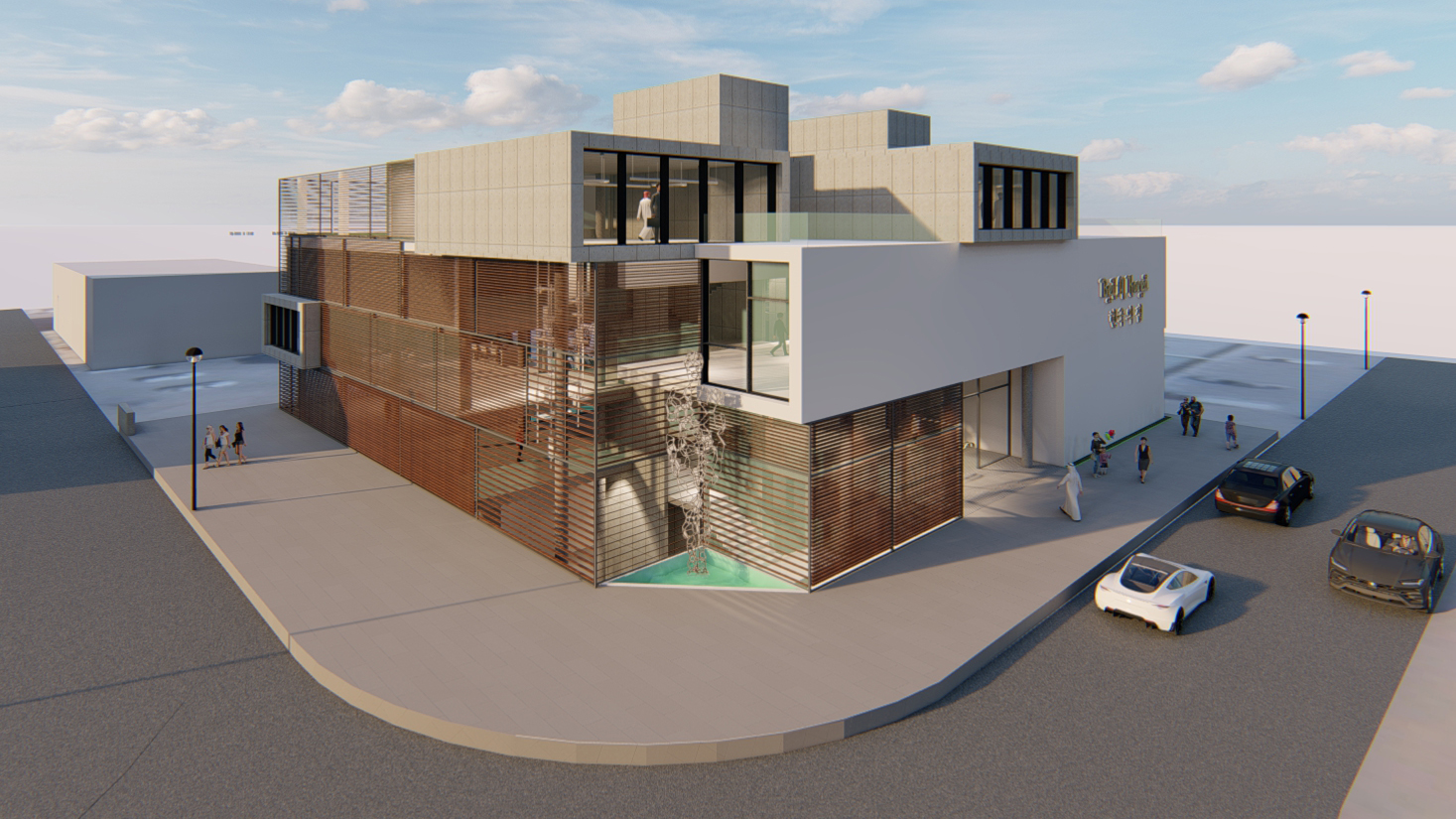
The building envelope is defined by a double-layered façade composed of horizontal louvers. This permeable screen filters the strong desert sunlight while allowing diffused natural light to enter the interior spaces. From the exterior, the louvers operate as a semi-transparent layer that gives depth and texture to the façade. As sunlight moves throughout the day, shifting patterns of light and shadow animate the building surface, creating a subtle rhythmic expression.
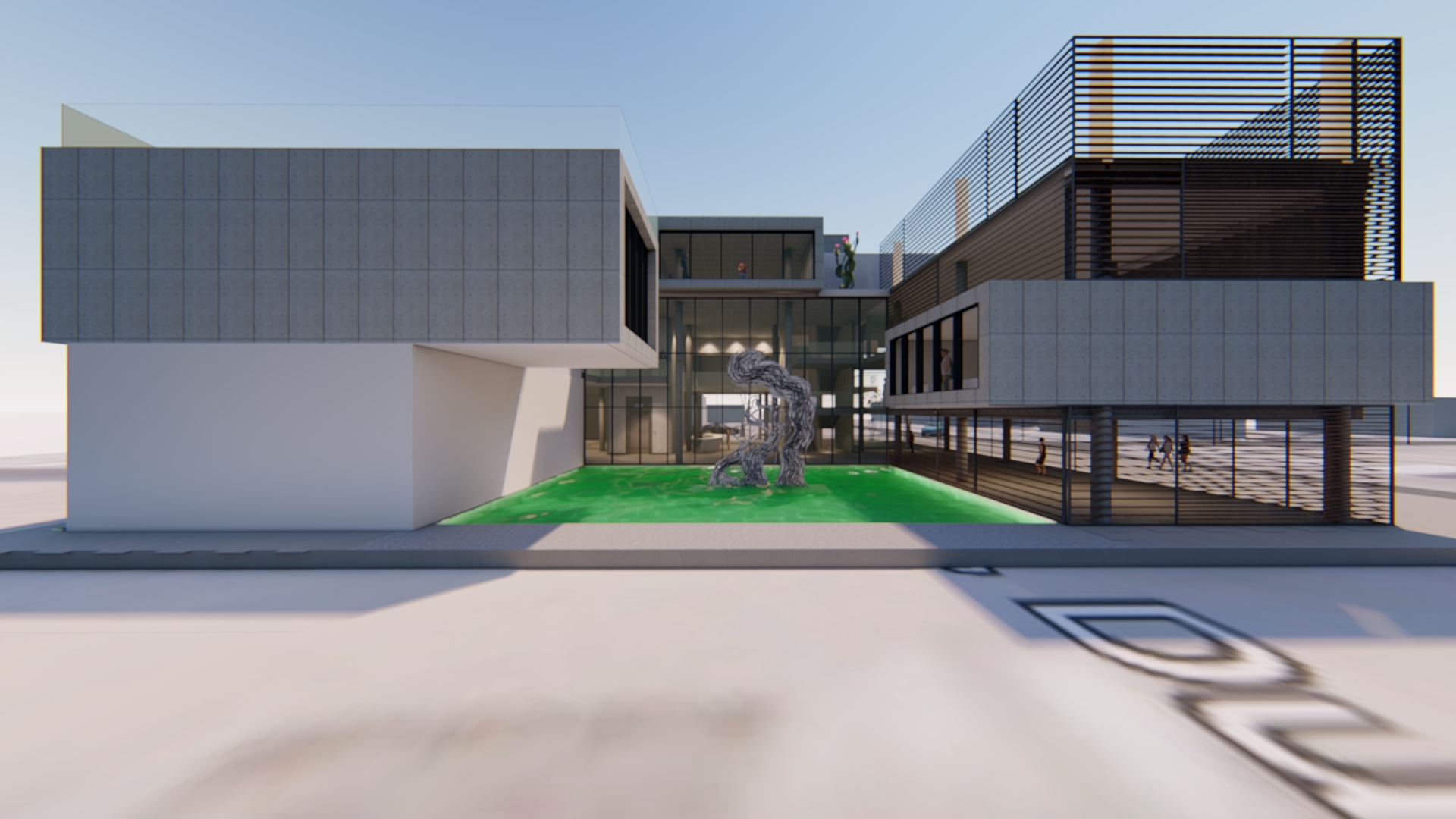
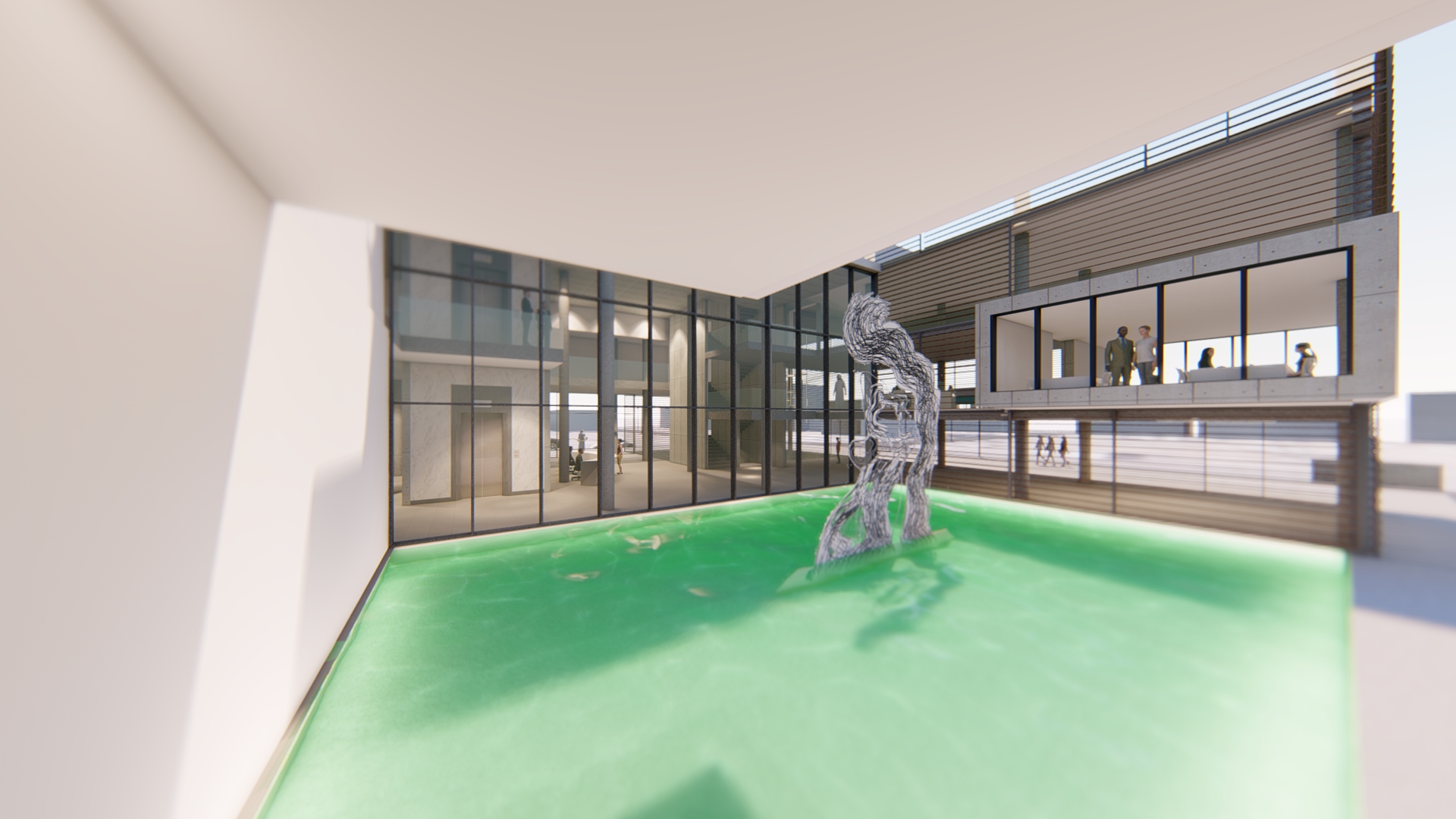
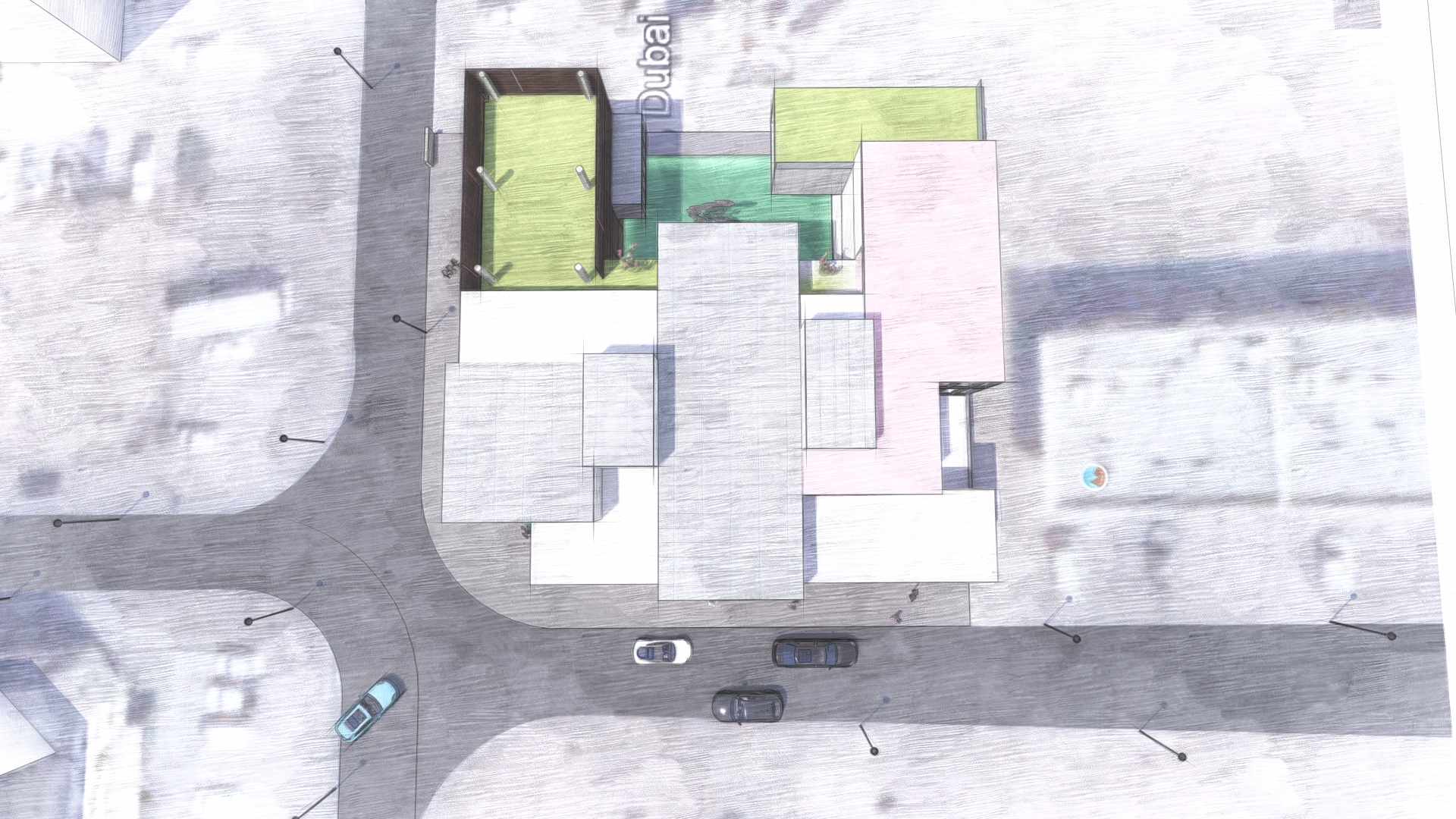
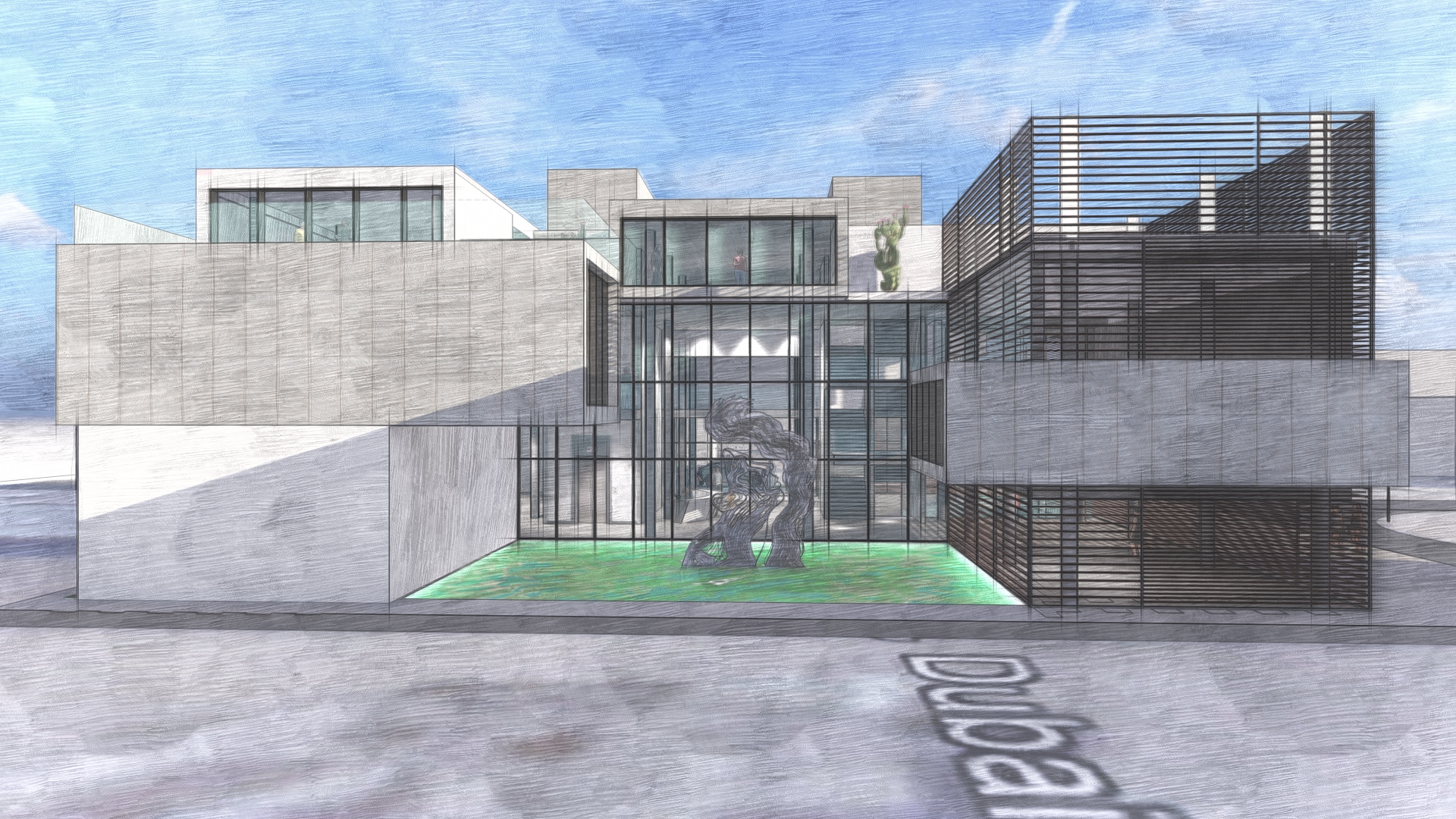
Water elements are integrated throughout the building to soften the boundary between the architecture and the city. In contrast to the building’s solid masses, the presence of water introduces movement and sensory relief within the dry urban environment, forming moments of visual and spatial pause.
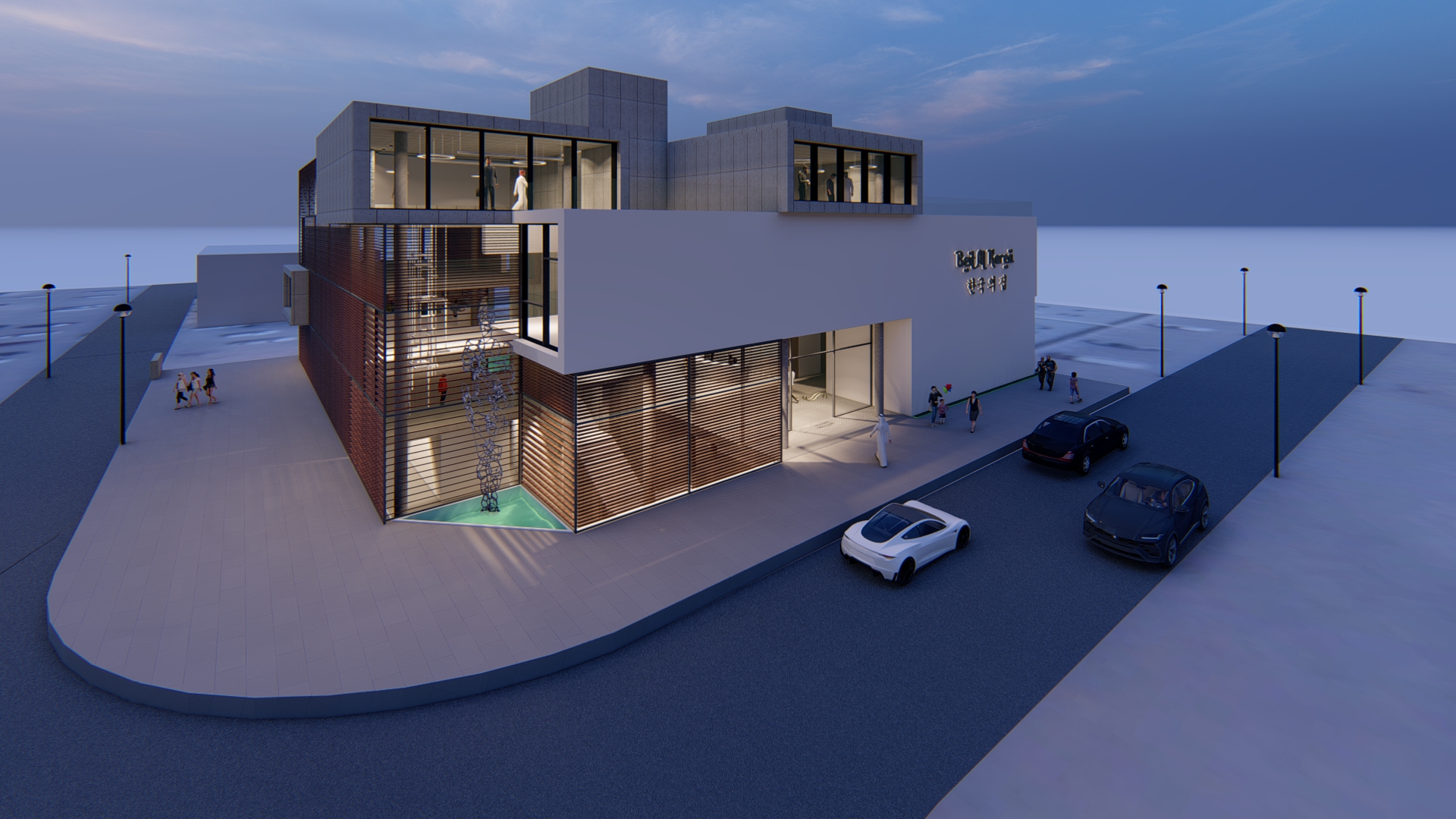
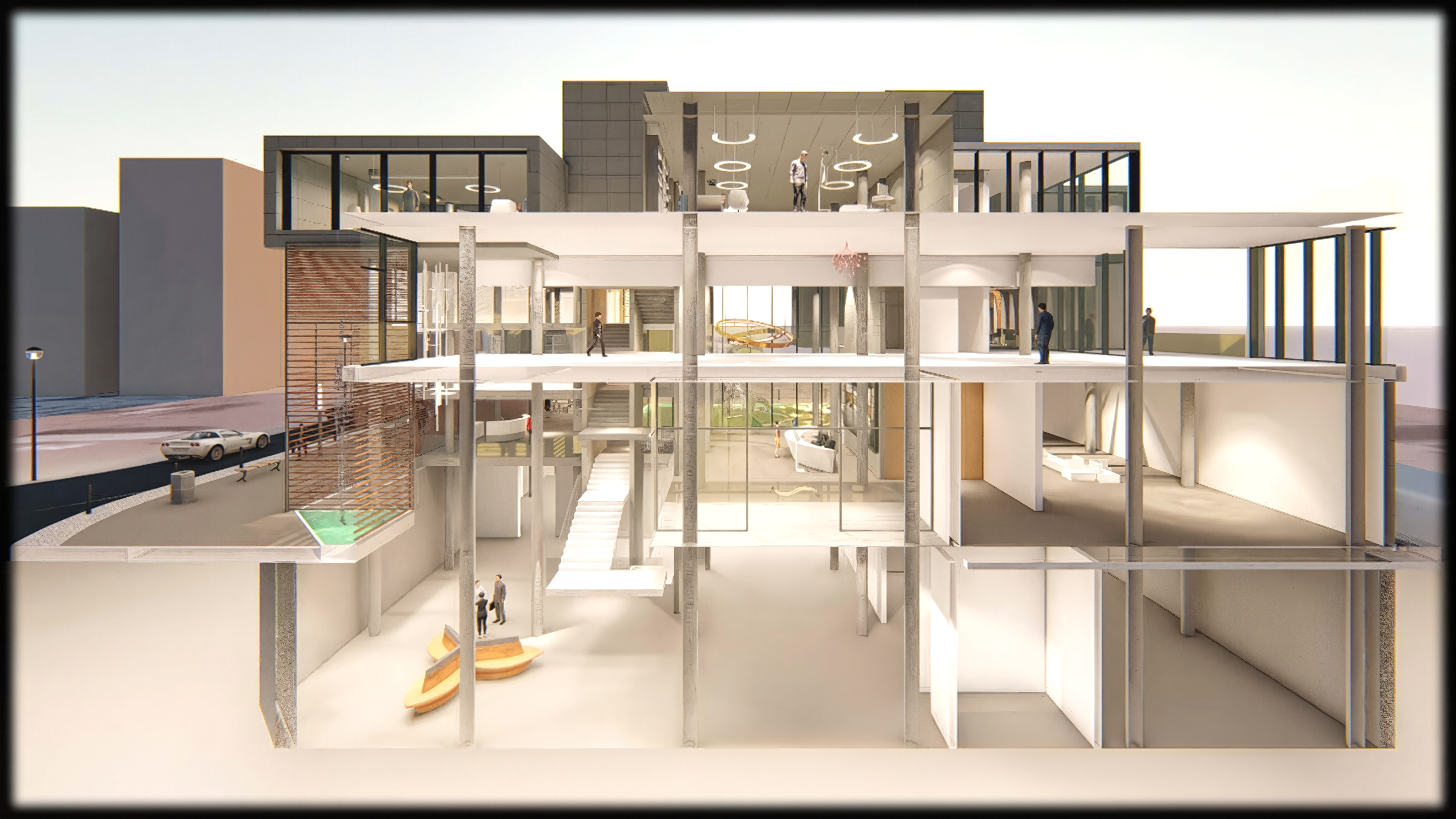
The overall form is composed of layered volumes of varying scales, arranged to create a sequence of terraces and shaded spaces. These articulated masses generate transitional zones between exterior and interior environments while producing deep shadows under the intense sunlight. The three-dimensional composition also expands the building’s visual connection with the surrounding urban landscape.
Through the interplay of solid volumes and permeable screens, light and shadow, and water and architecture, House of Dubai proposes a contemporary interpretation of Korean spatial philosophy. Rather than reproducing traditional forms, the project explores how the spatial thinking embedded in Korean architecture can be reinterpreted within a new climatic and cultural context.